

Menu
Sanatorium Merkurial in Mexico City
Sanatorium Merkurial in Mexico City
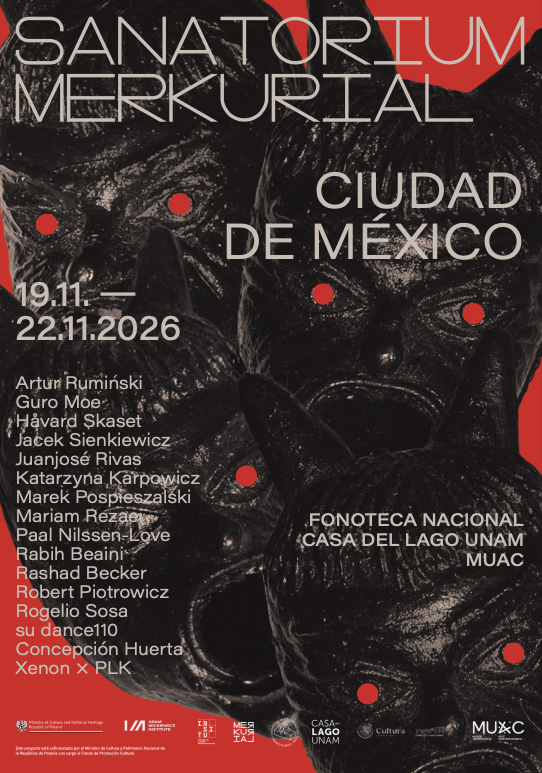
From 19 to 22 November, Sanatorium Merkurial presents four days of concerts, performances and conversations in Mexico City. The project was developed in collaboration between the Polish festival Sanatorium of Sound and the artistic collective Merkurial. The programme opens at Fonoteca Nacional, continues at Casa del Lago UNAM on 20 and 21 November, and concludes at Museo Universitario Arte Contemporáneo (MUAC).
Sanatorium Merkurial MX brings together artists whose practices emerge from different cultural, musical and geographical contexts. What they share is a search for musical languages of their own beyond the dominant narratives of the Western European avant-garde. The programme brings electroacoustic composition into contact with improvisation, experimental electronics, turntablism and performance.
One of the project’s central areas of exploration is the space between contemporary abstract music and traditional music. Traces of tradition — rhythms, forms, ways of organising sound, cultural memory and individual artistic lineages — become material for new creative gestures. In Katarzyna Karpowicz and Marek Pospieszalski’s duo, this takes shape in the encounter between traditional Japanese instruments, electronics and improvisation. In Rashad Becker’s music, synthetic sounds evoke the music of imagined cultures.
The programme also emphasises the physical experience of music. The intensity of sound, shifts in dynamics and the tension between performers and audience shape how we perceive abstract forms. This dimension emerges differently across the performances, from the resonance of magnetic tape and the collision of amplified strings and percussion to the interplay of voice and movement.
19 November · Fonoteca Nacional
📍 Av. Francisco Sosa 383, Santa Catarina, Coyoacán, 04010 Ciudad de México
The opening programme was developed with Fonoteca Nacional and its format in mind. The evening begins with a conversation between Mexican composer and sound artist Rogelio Sosa and the project’s curator, Robert Piotrowicz, followed by three performances.
18:00 — Conversation with Rogelio Sosa and Robert Piotrowicz
19:00 — Concepción Huerta · Katarzyna Karpowicz & Marek Pospieszalski · Rogelio Sosa
Concepción Huerta is a Mexican sound artist, electroacoustic composer and artistic researcher. She works with magnetic tape, analogue synthesis, field recordings and electromagnetic media. Her practice explores the capacity of sound to record, preserve and transform memory. In her work, she investigates how vibration and resonance can reveal traces of time and history embedded in matter.
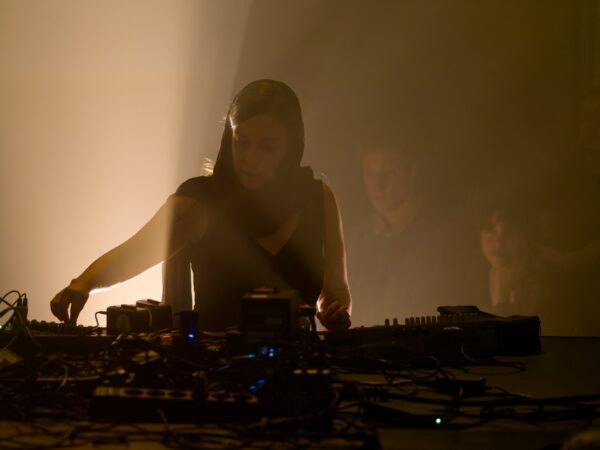
Concepción Huerta
Katarzyna Karpowicz & Marek Pospieszalski continue a collaboration that began at Sanatorium of Sound in 2025. Karpowicz’s traditional Japanese instruments and electronics enter into dialogue with Pospieszalski’s language of composition and improvisation. Their music is shaped by timbre, tension and the physicality of sound.
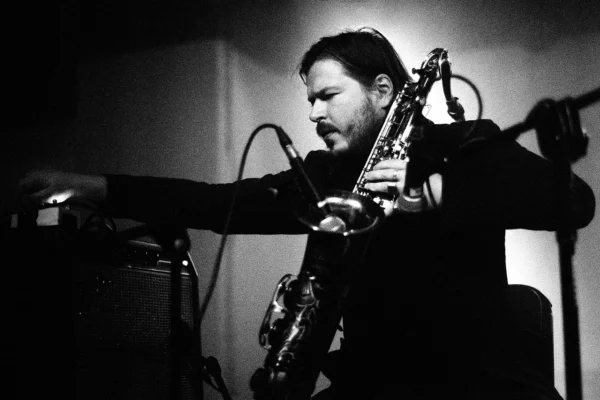
Marek Pospieszalski
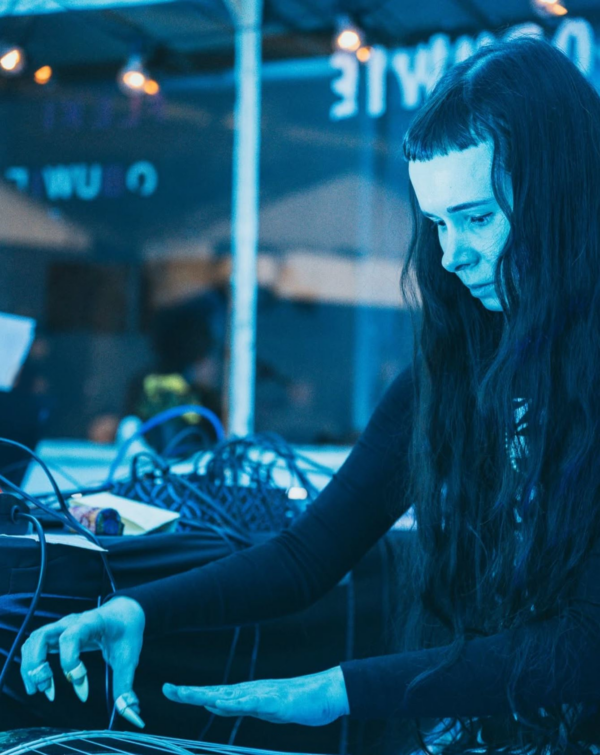
Katarzyna Karpowicz
Rogelio Sosa works across composition, improvisation, performance and sound installation. In his recent electronic work, he uses feedback systems of his own design to generate continually shifting structures. He also draws on ritual and ceremonial practices from different cultures to create imagined musical worlds.
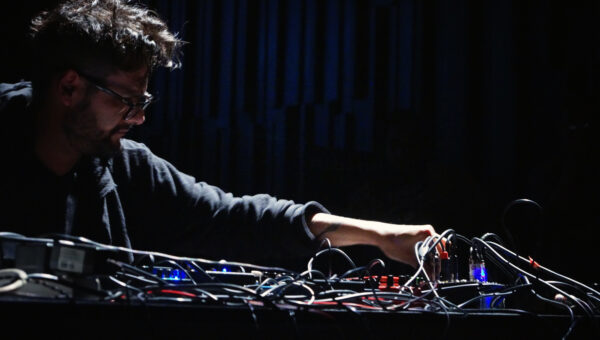
Rogelio Sosa
20–21 November · Casa del Lago UNAM
📍 Bosque de Chapultepec, Primera Sección s/n, San Miguel Chapultepec, 11850 Ciudad de México
The two days at Casa del Lago UNAM feature seven performances and a conversation between Rabih Beaini and Robert Piotrowicz. Friday’s programme moves from improvisation with amplified strings and percussion to individual approaches to electronic music. On Saturday, the programme includes works for turntables, compositions that use microtonality and a project that brings rap together with experimental electronics.
Friday 20 November · Concerts from 17:00
MoE with Paal Nilssen-Love is a special line-up bringing Guro Skumsnes Moe and Håvard Skaset together with drummer Paal Nilssen-Love. The trio combines the raw energy of experimental rock and noise with the open structures of improvisation. Rhythm and sonic density shift as the musicians respond to one another in real time.
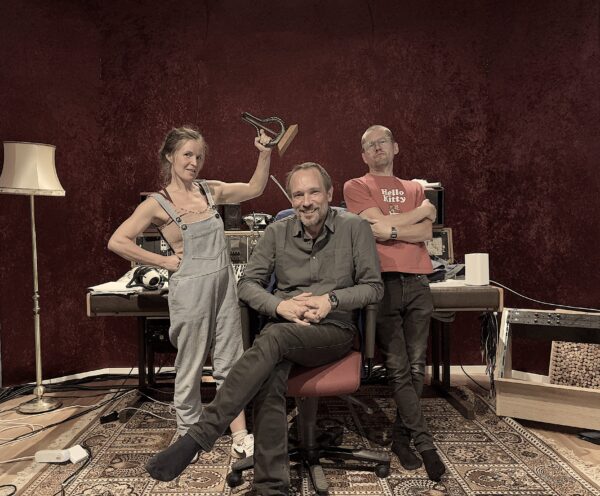
MoE & Paal Nilssen-Love
Jacek Sienkiewicz, founder of Recognition Records, develops a musical language at the intersection of minimal techno, abstract electronics and contemporary composition. He uses rhythm and repetition to explore structure and the perception of time, bringing the physical intensity of dance music into contact with open compositional forms.
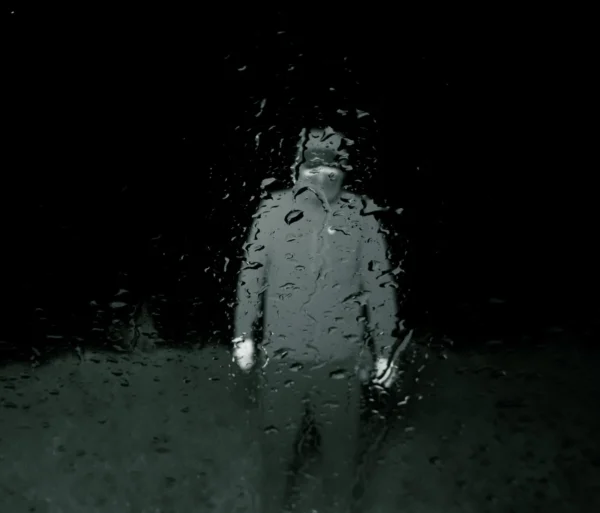
Jacek Sienkiewicz
Rabih Beaini, a Lebanese musician and founder of Morphine Records, combines analogue synthesis, complex rhythms and improvisation. By working directly with electronic instruments, he shapes rhythm, texture and sonic density as he performs. His music brings the energy of the club into dialogue with experimental composition.
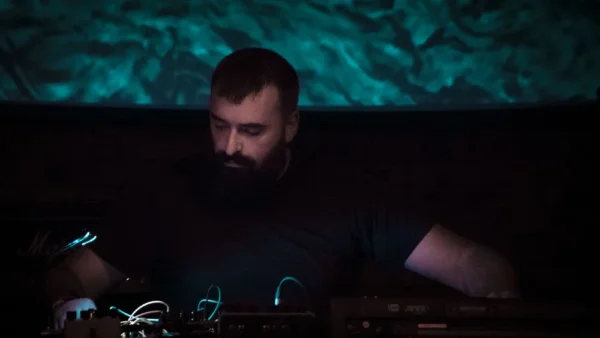
Rabih Beaini
Saturday 21 November · Conversation at 15:00, concerts from 16:00
15:00 — Conversation with Rabih Beaini and Robert Piotrowicz
16:00 — Mariam Rezaei · Rashad Becker · Robert Piotrowicz · Xenon x PLK
Mariam Rezaei, a British-Iranian composer and turntablist, manipulates vinyl and digital recordings in real time. Using scratching, techniques drawn from hip-hop and methods of her own invention, she breaks recordings into fragments and reassembles them. Her practice spans improvisation, noise, experimental composition and club music.
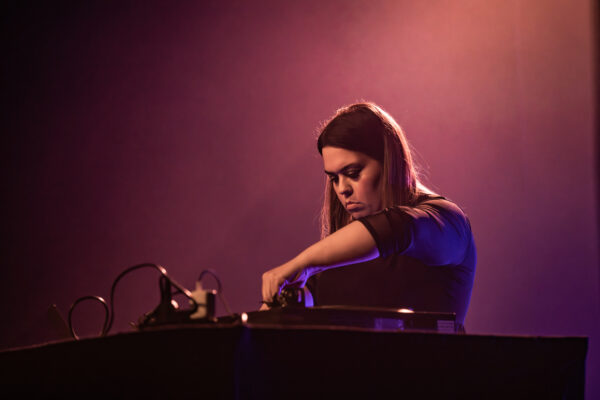
Mariam Rezaei
Rashad Becker creates compositions in which synthetic sounds behave like autonomous organisms. The relationships between them give rise to the music of imagined cultures. He has developed this approach in works including his series Traditional Music of Notional Species.
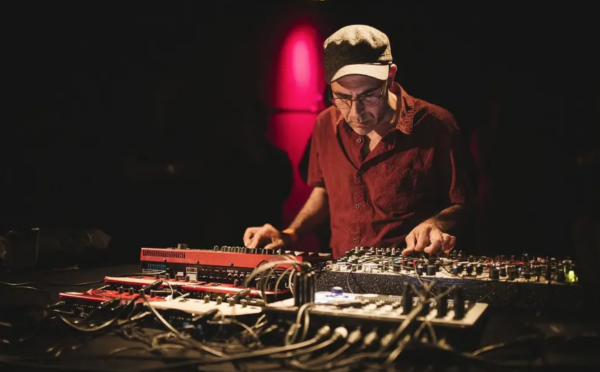
Rashad Becker
Robert Piotrowicz builds expansive sonic structures with a wide dynamic range. His compositions bring advanced electronic processes together with microtonality and alternative tuning systems. Synthetic sounds evoke imagined instruments and fictional musical traditions.
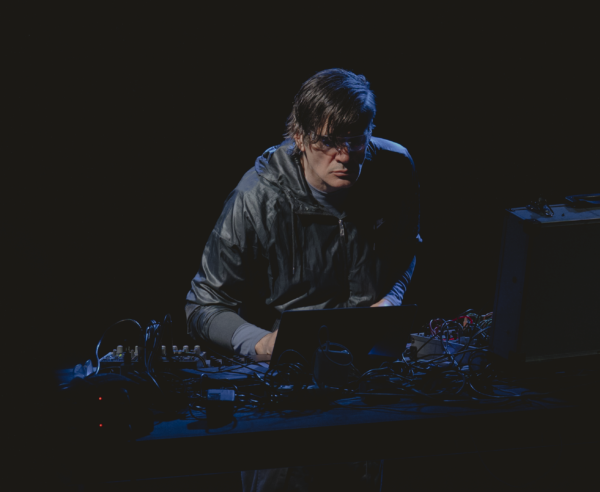
Xenon x PLK is a collaboration between rapper and poet Xenon and DJ, sound designer and intermedia artist PLK (Agata Polak). Freestyle, spoken word and screams intertwine with heavily processed electronics, industrial textures and rhythms rooted in rave culture.
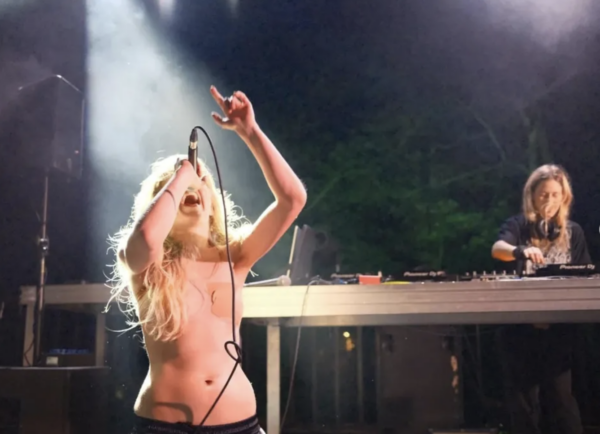
Xenon & PLK
22 November · Museo Universitario Arte Contemporáneo (MUAC)
📍 Av. Insurgentes Sur 3000, Centro Cultural Universitario, Coyoacán, 04510 Ciudad de México
Sanatorium Merkurial MX concludes at MUAC. Sunday’s three performances explore different ways of working with sound technology, from improvisation with field recordings to the combination of electronics, voice and movement and the multilayered processing of a guitar signal.
12:00 — Juanjosé Rivas · su dance110 · Artur Rumiński
Juanjosé Rivas is a Mexican transmedia artist whose practice spans sound art, improvisation, drawing and installation. He combines processed field recordings with electronic improvisation, creating compositions in which documentary material intertwines with imagination. In La Mecánica del Viento, he explores these relationships through an archive of scientific, technical and symbolic materials.
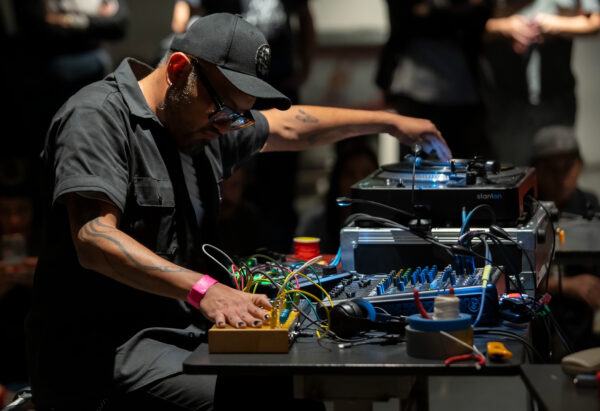
Juanjosé Rivas
su dance110 is the sound project of Berlin-based artist Dan Su. The project brings voice, movement and modular electronics into contact with technological systems of Su’s own design. Invented vocal languages intertwine with noise and rhythmic pulses, while physical gestures help shape the performance as it unfolds.
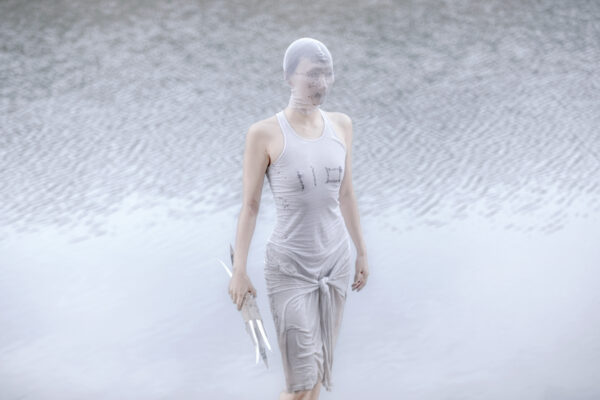
su dance110
Artur Rumiński is a Polish guitarist, composer and sound artist. Using distortion, repetition, field recordings and multilayered processing, he draws dense textures and structures from the guitar. His compositions develop as sounds gradually accumulate and shift in relation to one another in space.
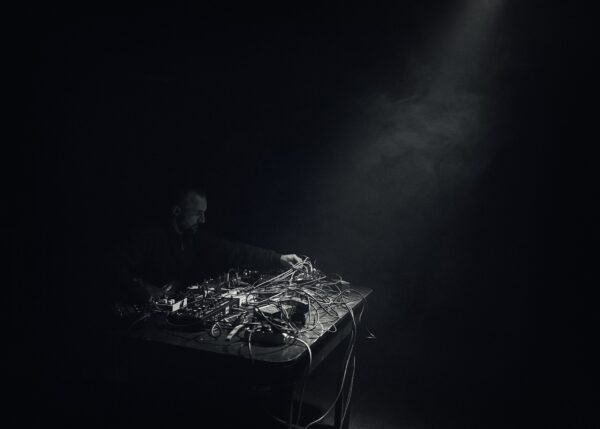
Artur Rumiński
Organisation and funding
Organiser: In Situ Contemporary Art Foundation
Co-organiser: Adam Mickiewicz Institute
Curator: Robert Piotrowicz
Production: Dorota Jodko
Graphic design: Ewa Głowacka
Partners: Fonoteca Nacional, Casa del Lago UNAM, MUAC
Supported by the Adam Mickiewicz Institute.
This project is co-financed by the Minister of Culture and National Heritage of the Republic of Poland from the Culture Promotion Fund.