


Menu
Tourist information
The History of the Cinema in Sokołowsko
The Cinema at Dr Brehmer’s Sanatorium
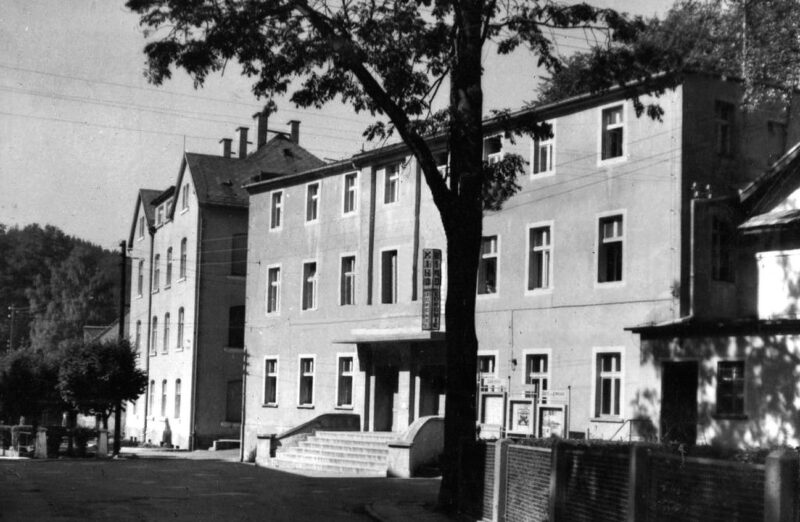
The ‘Zdrowie’ Cinema is a venue with a unique history and tradition. It was part of Dr Brehmer’s sanatorium complex, which was once famous throughout the world. Its cultural programme enriched the lives of the patients in Sokołowsko.
The theatre hall adjoined the “Bergland” hotel. Numerous plays and recitals were staged on the wooden stage, with musicians playing live from the orchestra pit. After the war, the repertoire expanded to include film screenings and meetings organised by the newly established Film Club. The venue also hosted social gatherings, special-occasion performances and concerts by young bands.
Kieślowski’s Cinema
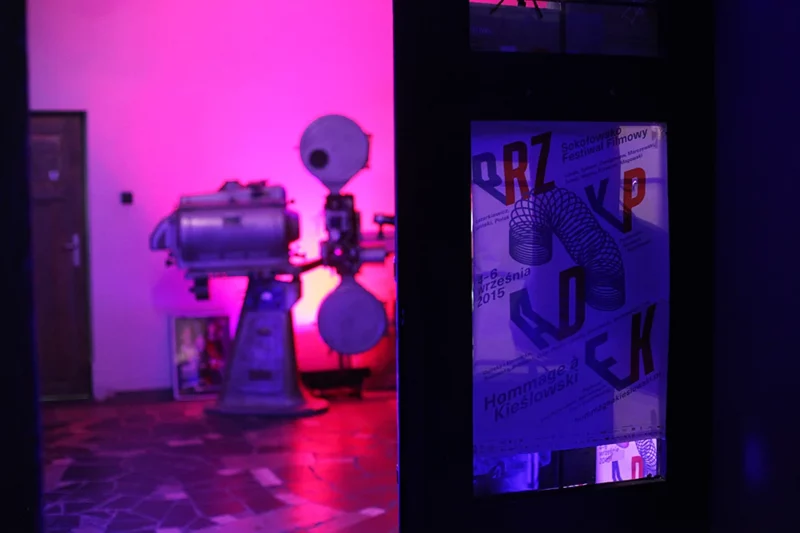
Since 2010, the Zdrowie Cinema Theatre has hosted an annual film festival under the patronage of Krzysztof Kieślowski.
Kieślowski’s memories of Sokołowsko
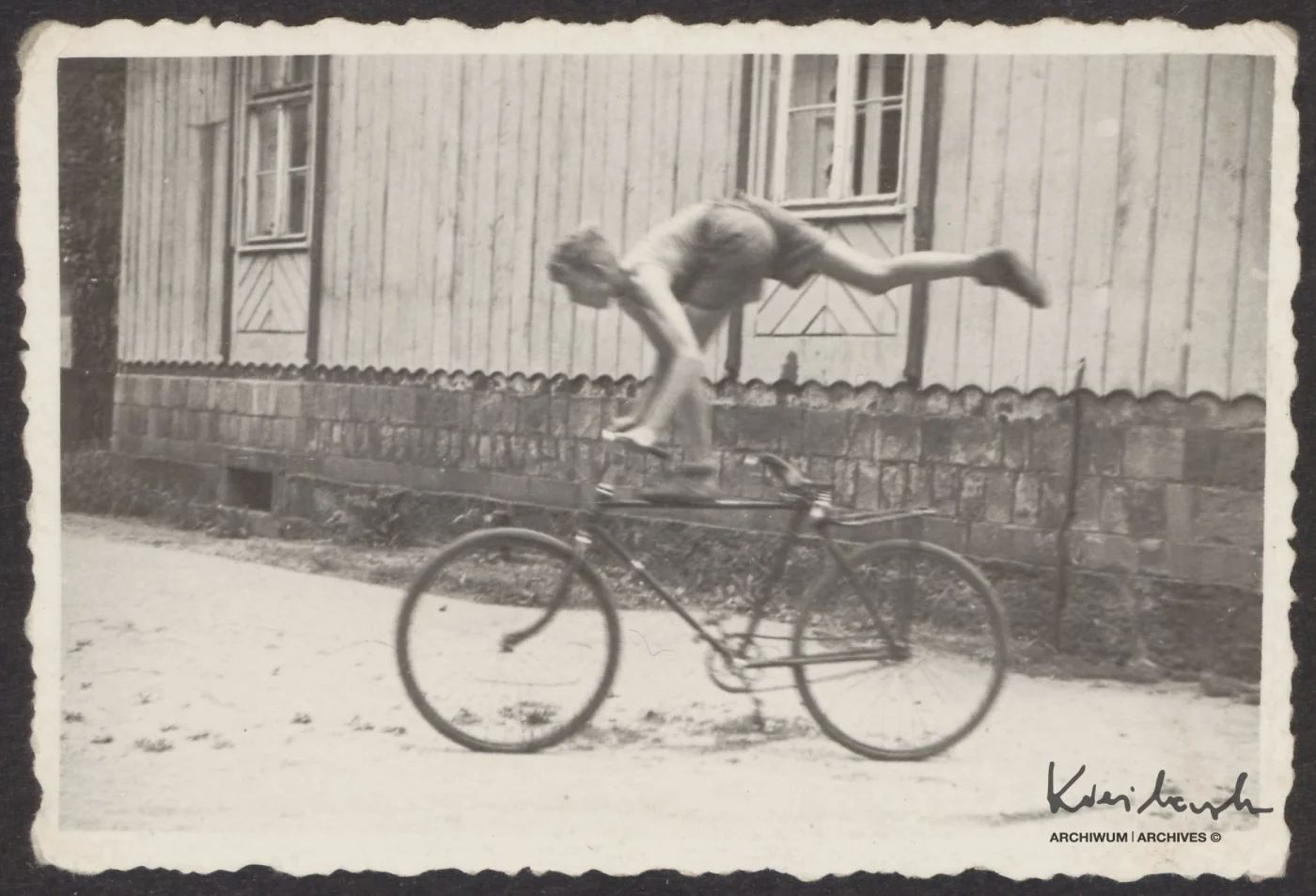
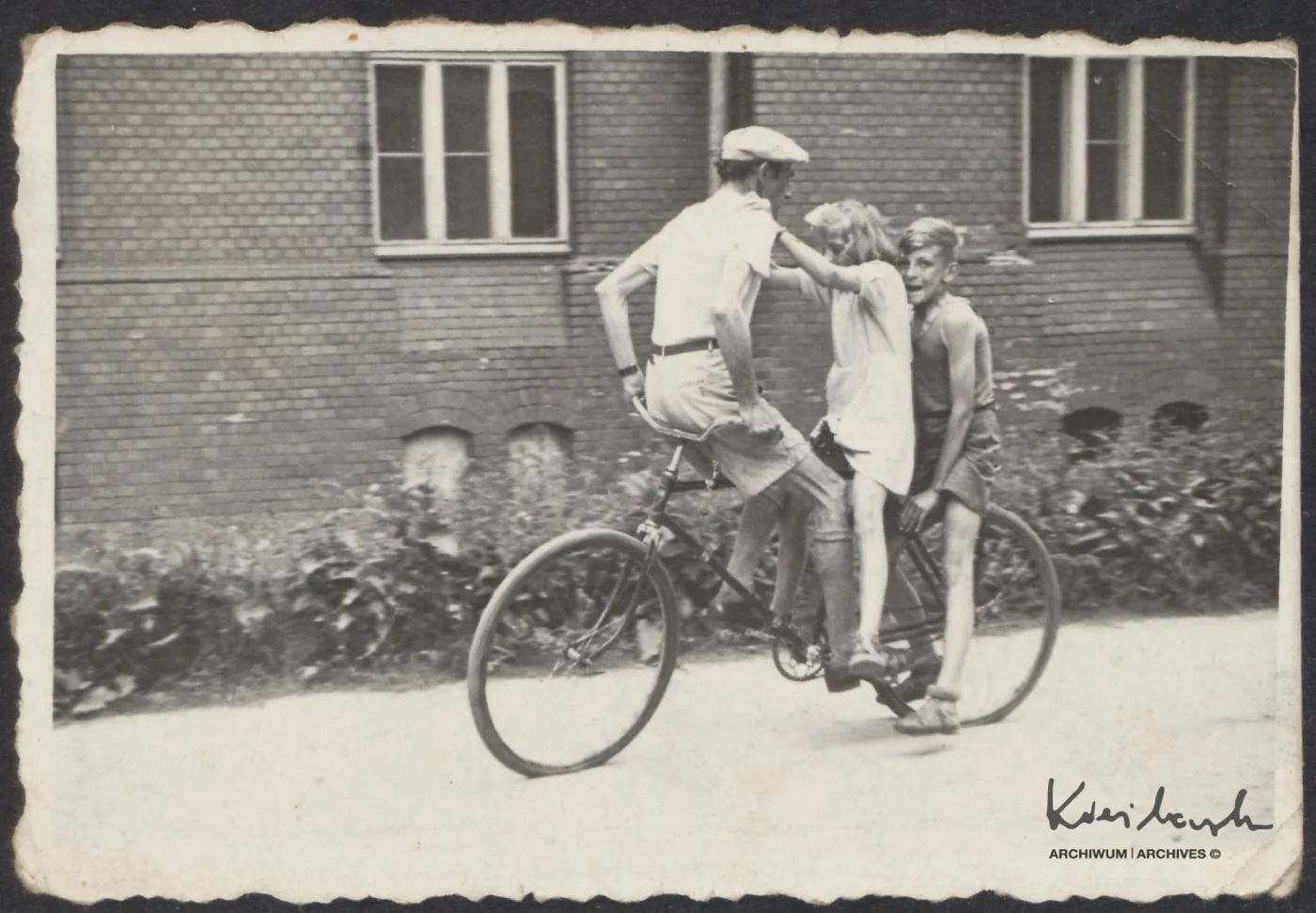
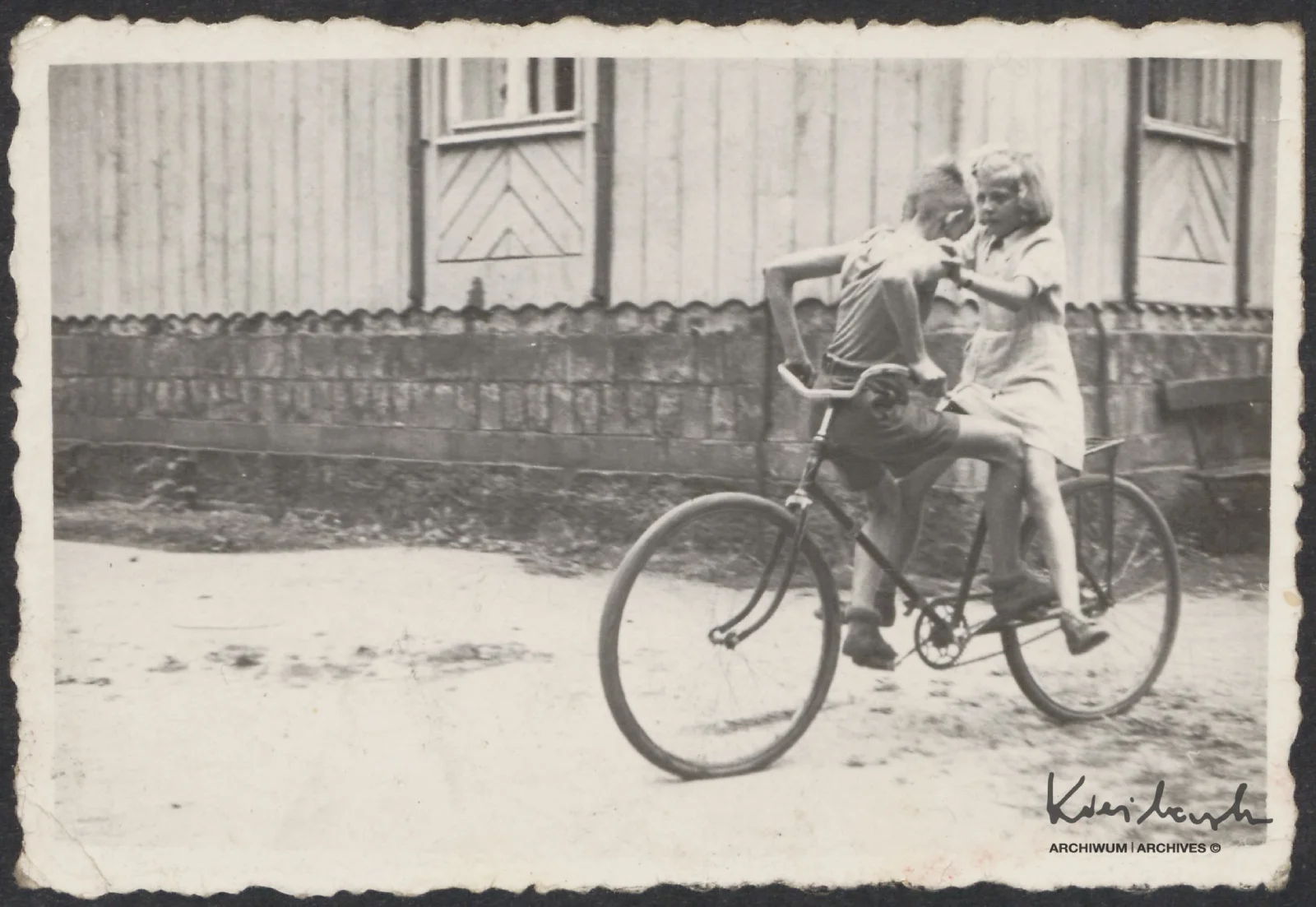
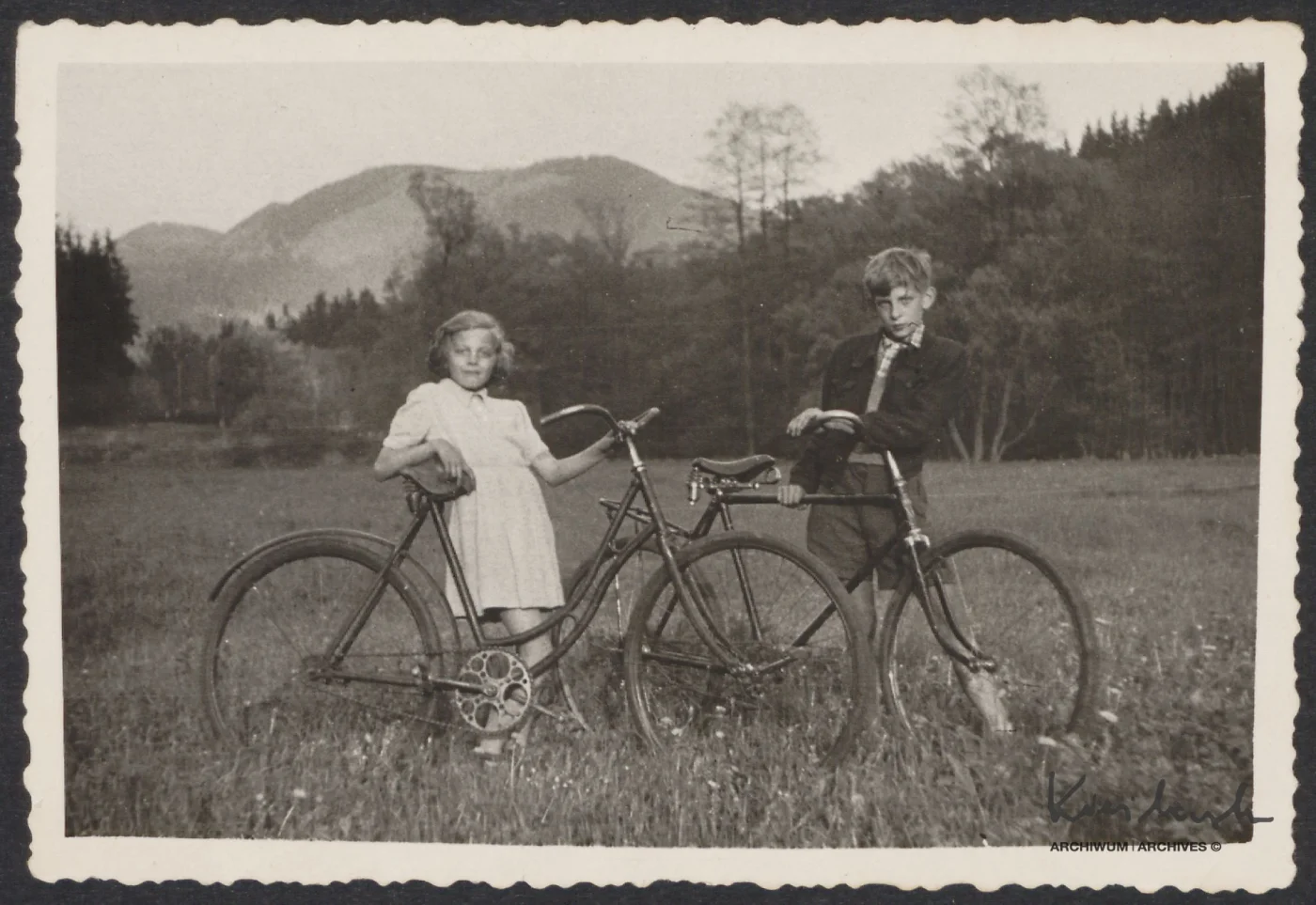
Between 1951 and 1960, Krzysztof Kieślowski lived in Sokołowsko. He recalled the local cinema in his autobiography *O sobie* (About Myself), amongst other works. It is quite possible that this influenced his choice of career later on. As he could not afford tickets, Krzysztof Kieślowski watched most of the screenings with his friends through a vent in the cinema roof. From there, only a small part of the screen was visible.
The Kieślowski family in Sokołowsko
In mid-1951, Krzysztof Kieślowski’s parents moved to Sokołowsko, where Roman Kieślowski was being treated for tuberculosis. They left this spa town after less than a year, only to return to it some time later, leave again, and finally settle there for the long term.
Krzysztof’s education and childhood
They first lived in a pavilion at 3 Słoneczna Street. Krzysztof attended the local primary school. On his fourth-year leaving certificate, he was awarded ‘very good’ and ‘good’ grades, and one ‘satisfactory’ – for singing. A relapse of the illness led to the future director’s father being made redundant. This time, the treatment lasted as long as twenty months and took place at various centres – including Siewierz, Sokołowsko, Strzemieszyce, Rabka, Bukowina Tatrzańska, Wisła and Warsaw.
Returns to Sokołowsko and filmmaking
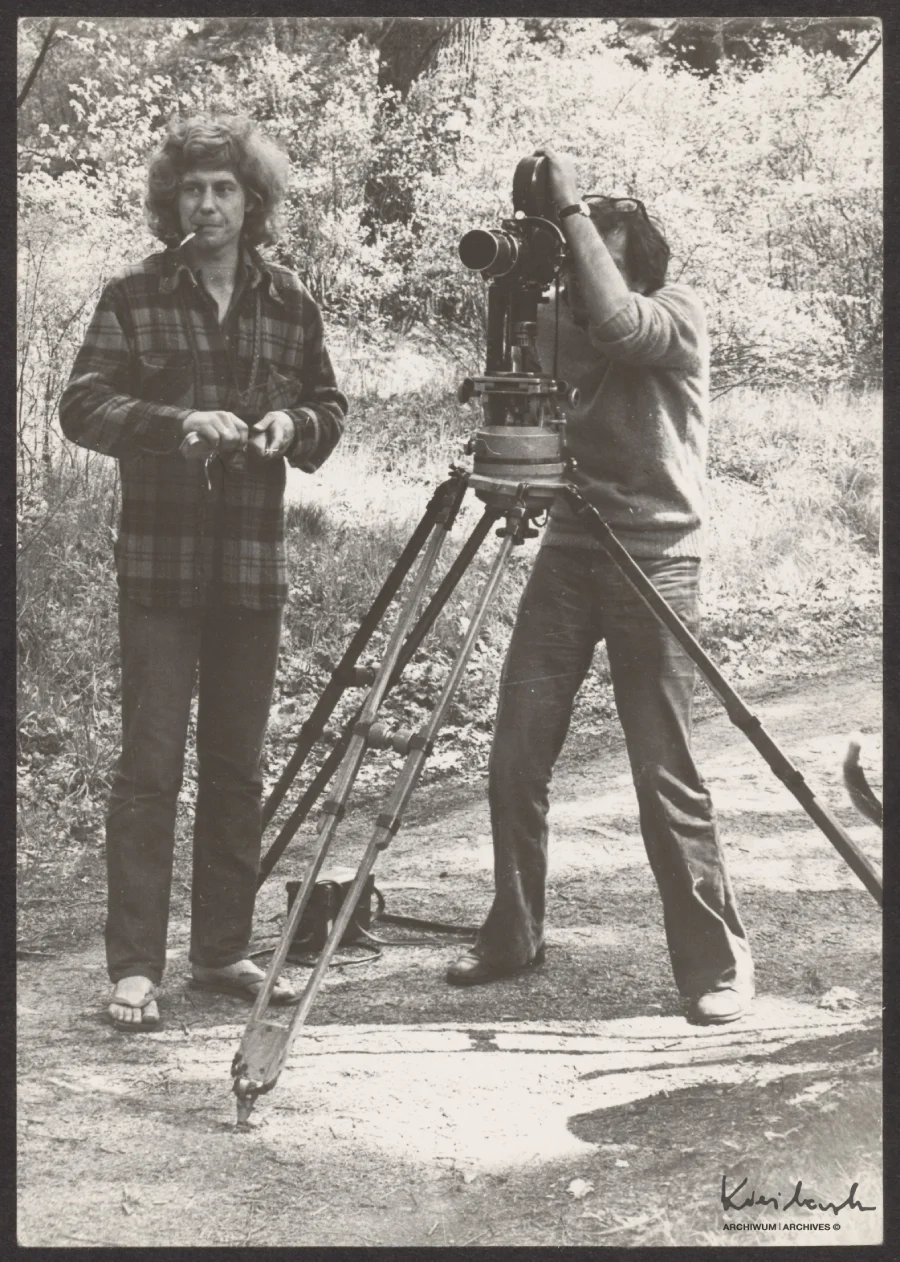
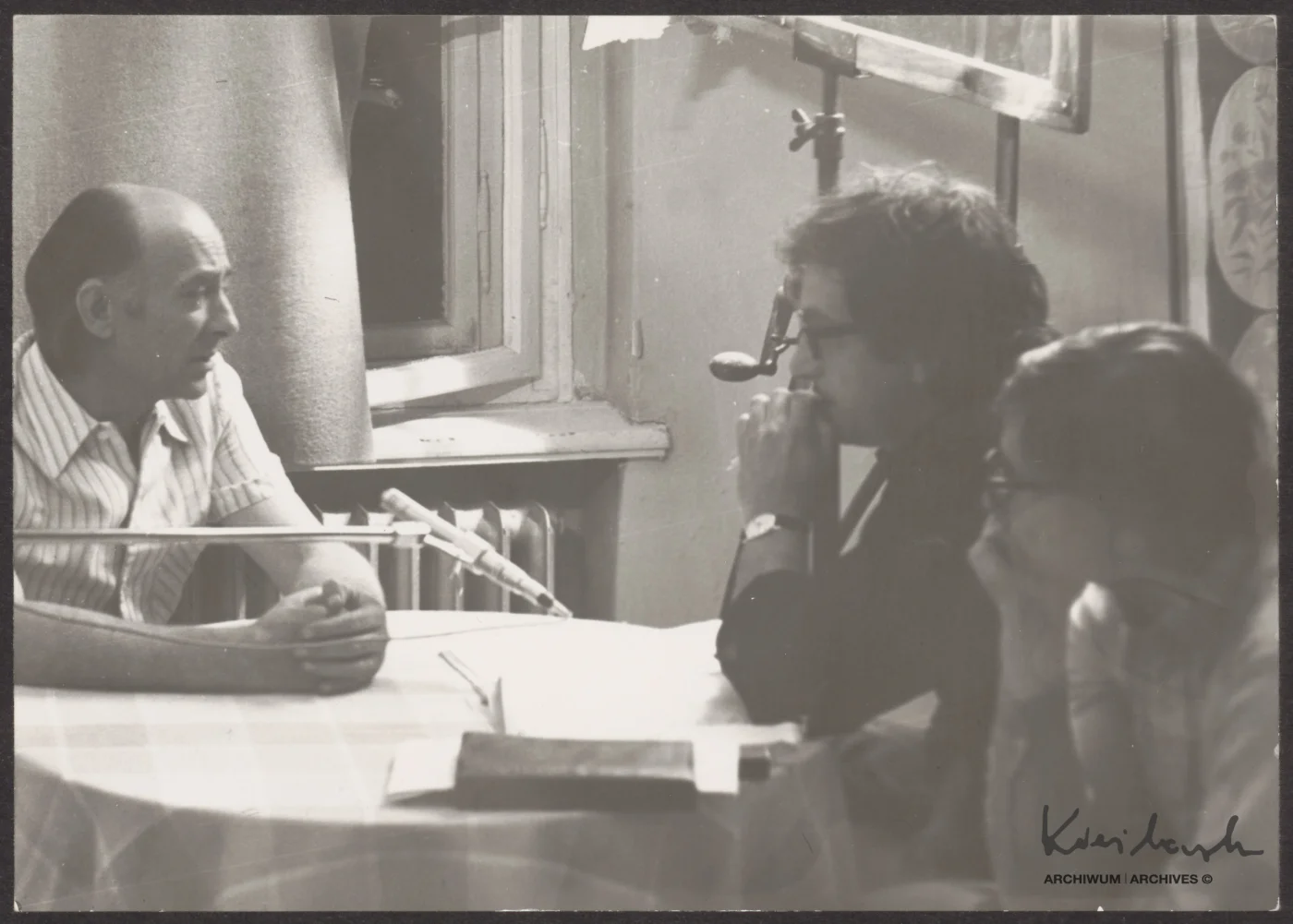
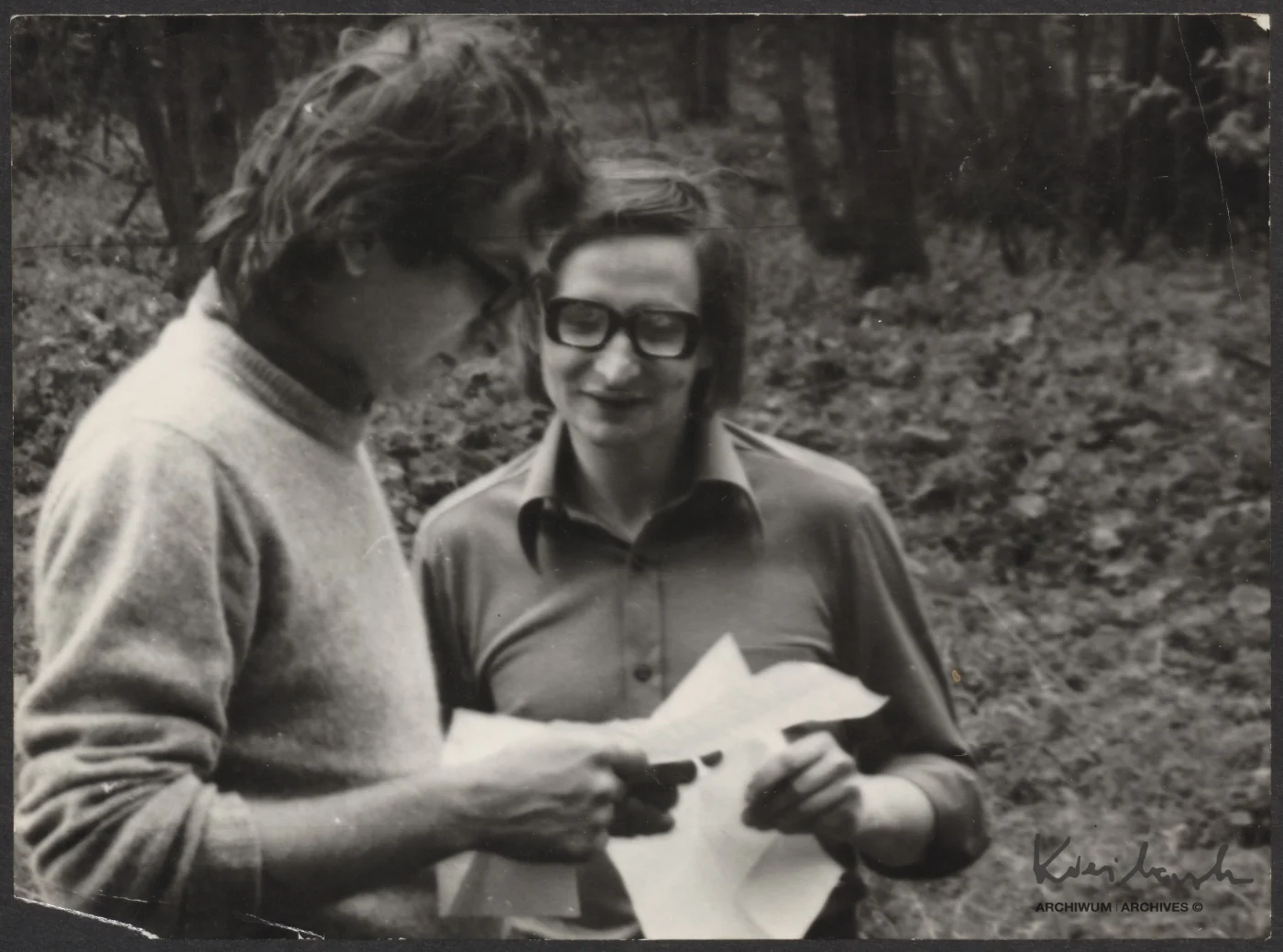
In 1953, they moved into a two-storey tenement house at 22 Główna Street, opposite the Zdrowie Cinema. From Year 6 onwards, Krzysztof attended – with breaks for stays at a sanatorium – the primary school in Mieroszów, situated 6 kilometres from Sokołowsko. He graduated from that school in mid-1955. Kieślowski returned to Sokołowsko, visited his father’s grave – as he would later write in a letter to his mother – and in 1973 made the documentary *Prześwietlenie* at the local sanatorium where his father had stayed.
Zdrowie Cinema Theatre – Reactivation
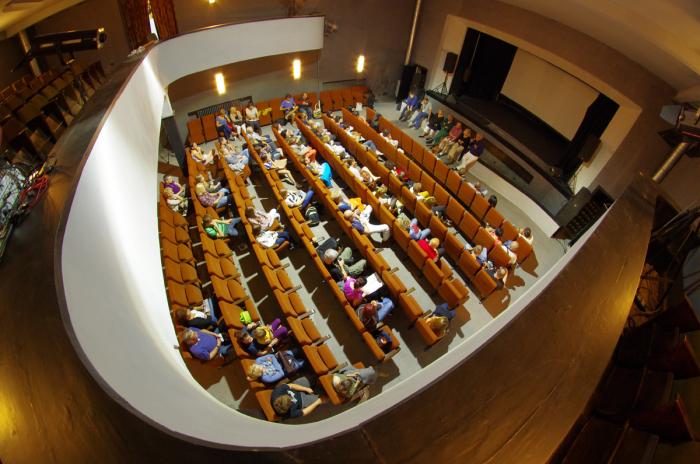
The In Situ Foundation carried out a gradual renovation of the cinema between 2009 and 2015.
The programme features mainly the season’s finest and most ambitious films, winners of the Berlin, Cannes and Venice film festivals, and other titles that have attracted the most attention in recent months. Special screenings are a key feature: on the one hand, film discussions with experts, harking back to the former Film Discussion Club in Sokołowsko; on the other, meetings with filmmakers; and, in addition, educational screenings for young people.
In 2017, the cinema joined the Network of Art-House and Local Cinemas in Lower Silesia.