


Menu
About Foundation & Creators
Vision & Philosophy
The In Situ Foundation for Contemporary Art supports artistic and educational activities in the broadest sense. It was founded in 2004 in Podkowa Leśna by Zygmunt Rytka and Bożenna Biskupska, artists and cultural activists. In September 2012, the organisation’s headquarters were moved from Warsaw to Sokołowska, and Zuzanna Fogtt took over as its director.
The intention of the founders, and thus the aim of the Foundation, is to create a space for the realisation of international artistic projects, diverse and interdisciplinary creative activities, research, meetings, the exchange of views, thoughts and experiences, as well as the promotion of innovative artistic approaches and the support of various forms of creative activity. At the same time, the Foundation aims to promote activities in the field of the protection of cultural and artistic assets and national heritage.
Restoration of Dr Brehmer’s Sanatorium: The Foundation’s Main Project
Currently, the Foundation’s main objective and project is the restoration of the former, burnt-down Dr Brehmer’s Sanatorium in Sokołowsko and the creation of an International Culture Laboratory within it. The name of the foundation, In Situ, means ‘on site’ (Latin) and is also the foundation’s operating philosophy.
Philosophy of Action
In situ means acting in a place which, regardless of its location, can become a space for art. In Situ initiates the possibility of creating infinite permutations, a multitude of solutions and explorations; it creates the space and conditions for action and the interplay of time, space, people and various disciplines; and, above all, it creates zones for free creative and scientific research processes.
The Foundation’s Artistic Projects
As part of the foundation’s activities, a variety of artistic projects are organised: exhibitions, performances, concerts, workshops, installations in public spaces, as well as meetings, social and environmental initiatives, lectures, and regular festivals held in Sokołowsko: Konteksty Ephemeral Art Festival, Hommage à Kieślowski, Sanatorium of Sound.
Bożenna Biskupska
Education and Early Work
She was born in 1952 in Warsaw. Between 1970 and 1972, she studied painting at the State Higher School of Fine Arts in Poznań, and between 1972 and 1976 at the Academy of Fine Arts in Warsaw. In 1976, she graduated with honours from the studio of Prof. Tadeusz Dominik. She works in painting and sculpture. In 1982, she won first prize at the 4th International Biennial of Miniature Weaving (Savaria Museum, Szombathely, Hungary). In 1984, she received a two-year scholarship from the Minister of Culture and Art, and in 1986, the First Class Stanisław Wyspiański Award for painting and sculpture. She represented Poland at the 41st Venice Biennale (1984) and at the 14th International Biennial of Small Bronze Sculptures in Padua (1986).
Themes and Artistic Style
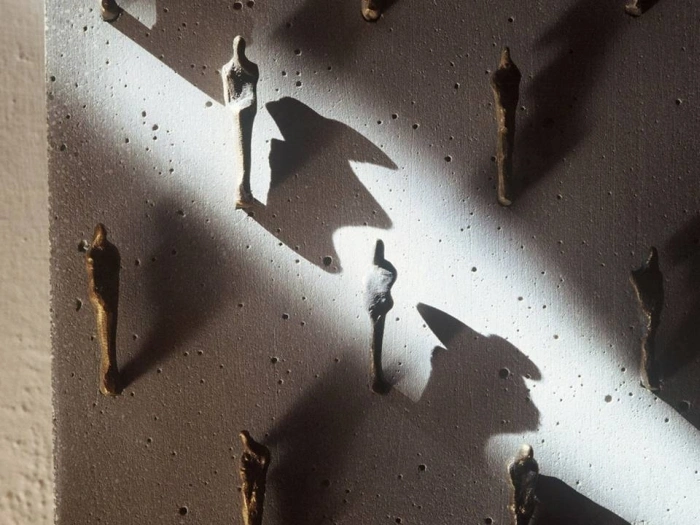
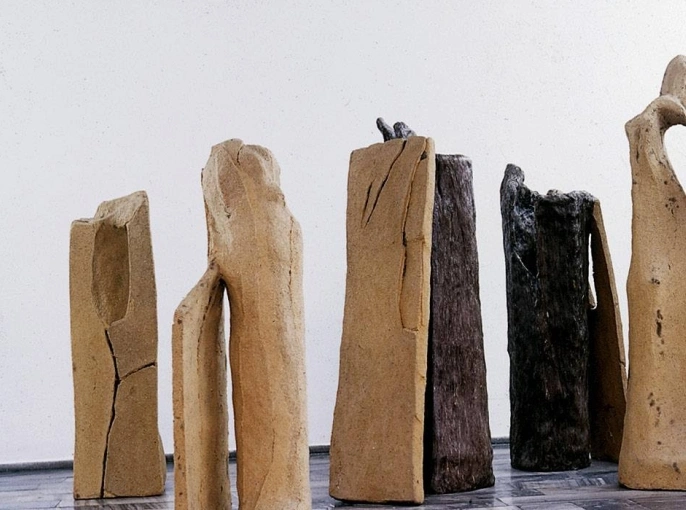
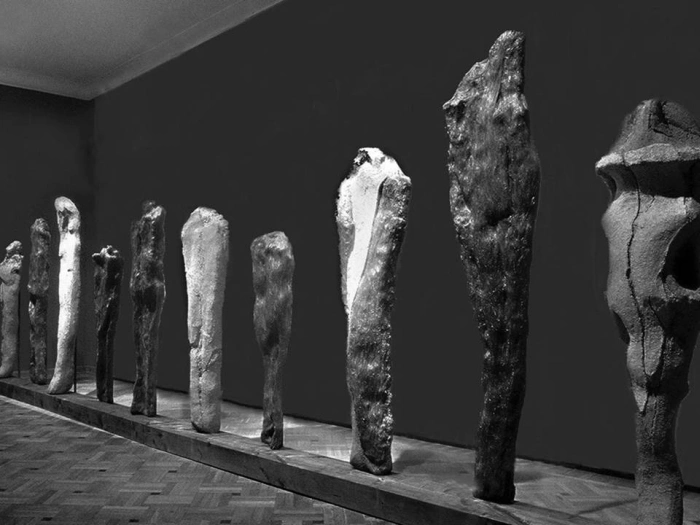
The problem of time in an abstract and existential context, and the question of infinity, have been a leading theme in Bożenna Biskupska’s work from the very beginning. In addition to creating spatial installations and traditional sculpture, the artist also practises painting and drawing. She began work on her key series, centred on the theme of the ‘One-Legged Figure’, in 1987, initially on the canvas and later in three-dimensional space. The figure of the one-legged man, cast in bronze, engraved as a symbol, or drawn, is a form that references the human figure. It became the fundamental element of a system, initiated in 1995, comprising the series of works “Defining the Image”.
Technique and Creative Process
The works are dominated by monochromatic tones across the entire grey scale from white to black, as well as the natural colours of the materials used. The marks made on paper or canvas are today a record of a gesture, lines left by oil paint squeezed directly from the tube onto the paper, or the trace of a brush dipped in oil – organise the surface, becoming saturated over time, creating the irregular edges of an expanding, straight line of gesture. She is now fascinated by detecting and documenting the processes of transformation that time brings about in the works she has created.
Collections and Exhibitions
Works in the collections of, amongst others: the National Museum in Szczecin, the Museum of Art in Łódź, the Centre for Polish Sculpture in Woronek, the National Museum in Kielce, the Museum of the Lubusz Land in Zielona Góra, the Museum of Warmia and Mazury in Olsztyn, the World Bank in Washington and others.
Zygmunt Rytka
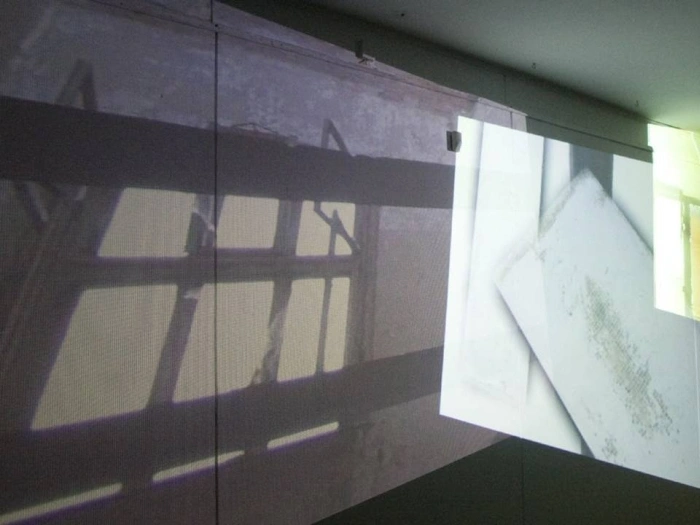
Born in 1947 in Warsaw. Member of ZPAF since 1979. An intermedia artist with a neo-avant-garde background, working with photography and creating installations.
Early Work: Experimental Films and Artistic Documentation
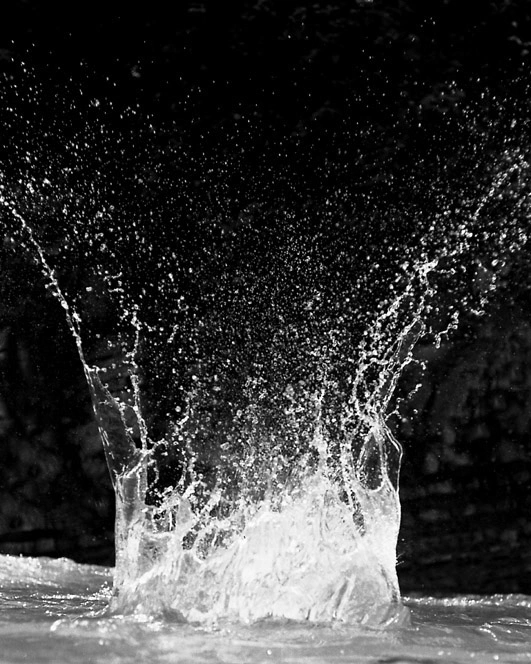
In the 1970s he made experimental films, and in the 1980s, videos. Since the 1980s, he has been associated with the independent art scene in Łódź – initially with Kultura Zrzuty, then with Galeria Wschodnia, and also with the ‘FF’ gallery in Łódź. In the 1970s, he documented Polish artistic life. Between 1975 and 1977, he worked at the Contemporary Art Gallery in Warsaw. From the early 1970s, he produced analytical works in the conceptual tradition (Time Intervals), in which the visual appeal of photographed water was contrasted with an examination of a brief fragment of time.
Analysis of Image Manipulation and Artistic Development
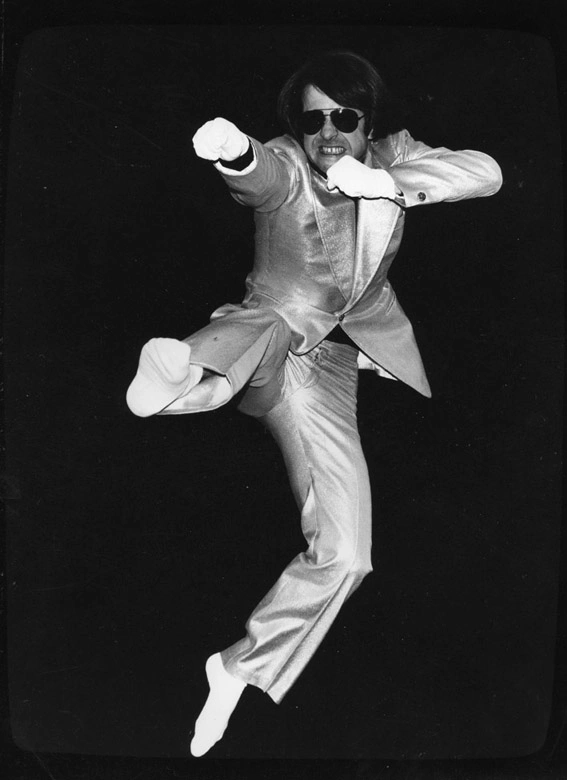
At the same time, he was interested in the universal problem of manipulation (the 1977 Bluff series) concerning the television image. A turning point in his artistic development was the exhibition Katalog S.M. (Some Meetings) at the Mała Galeria ZPAF-CSW, which combined the tradition of documentary and reportage with a hidden analytical aspect. The next series, and at the same time an exhibition, by this methodical artist – Holograms – presented fragments and “remnants of photography” (Rytka’s term) in the form of what was then a political television image. Further significant works were those from the exhibition Continuity of Infinity (1983), demonstrating a desire to confront, and even dominate, nature, which, despite numerous attempts, cannot be codified or mastered.
Exploring Media Possibilities and Inspiration from Filmic Form
From this point onwards, the artist engaged with both photography and film, exploring, much like Władysław Strzemiński, the media potential of art as well as our biological conditioning and our capacity to perceive reality. During this period, his work drew closer to the media research being undertaken at the same time by artists from the Łódź-based Film Form Workshop (particularly Józef Robakowski).
Transition to Installations: Temporary Objects and Pop Art Style
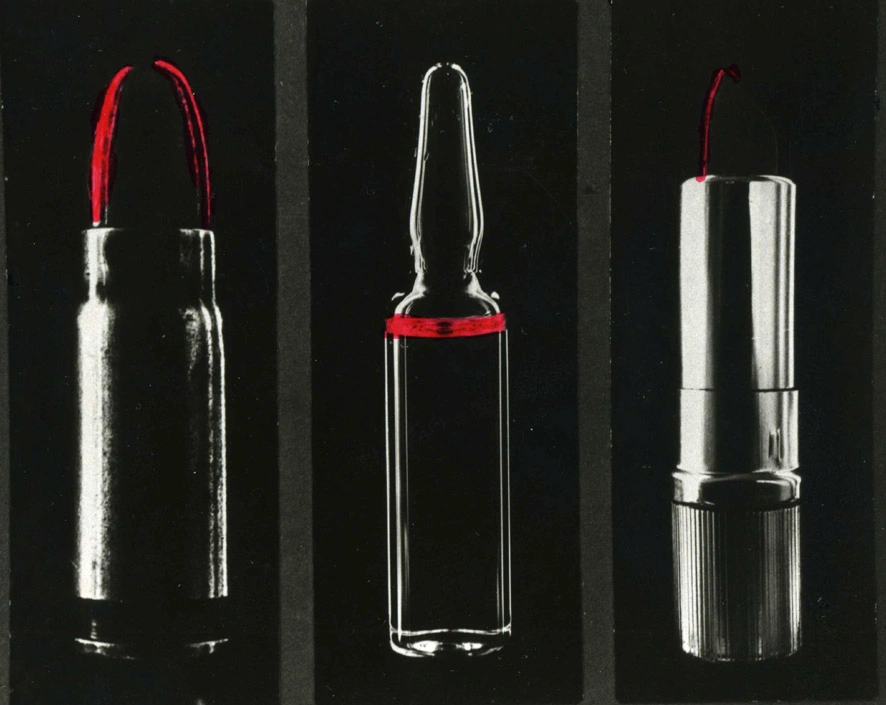
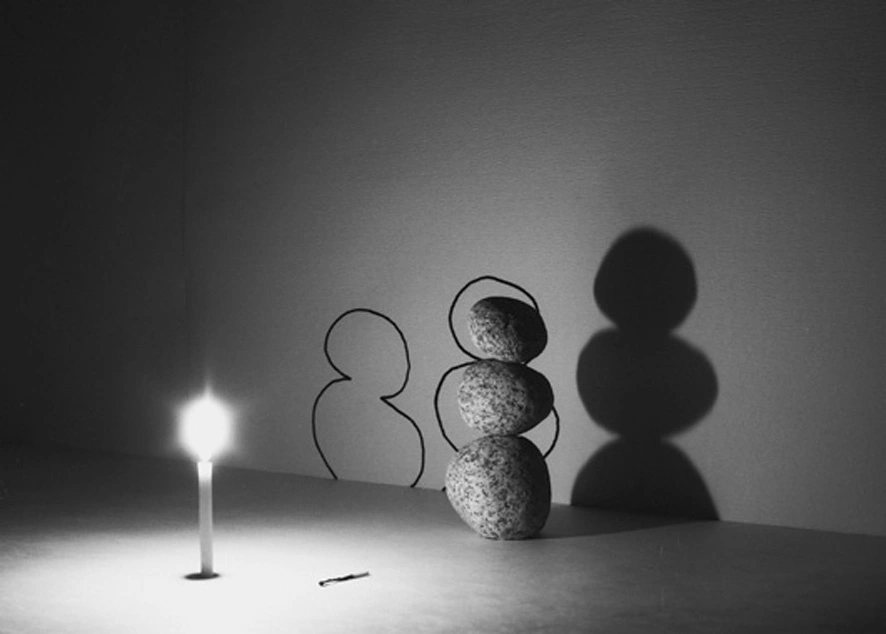
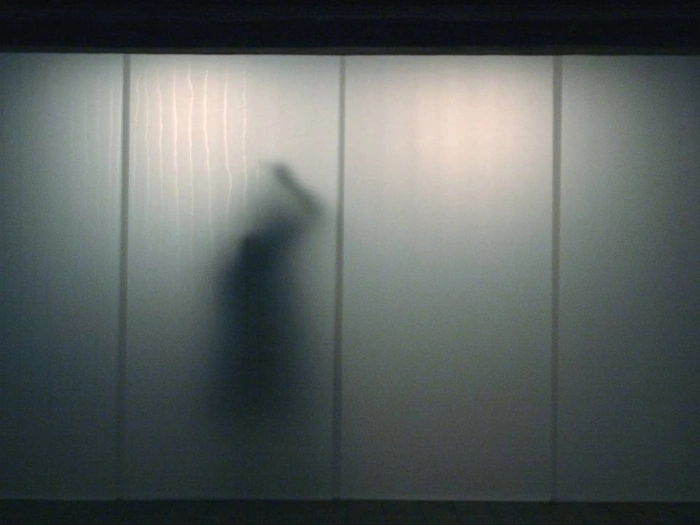
In the late 1980s, with the exhibition Temporary Objects (Galeria Wschodnia in Łódź), he began creating installations, a practice he continues to this day. During the existence of Kultura Zrzuty, with which he was primarily associated in a social capacity, he produced playful works for ‘Tango’ and short films. The photographs were satirical and ironic, with a Pop Art aesthetic, primarily addressing the issue of the ‘state of war’ psychosis. The exhibition *Contact* (1994) was a continuation of his media analysis, but with a greater emphasis on biology. The idea behind the series was to juxtapose the natural world with the realm of science (physics and chemistry).
Exploring the Relationship Between Nature and Science
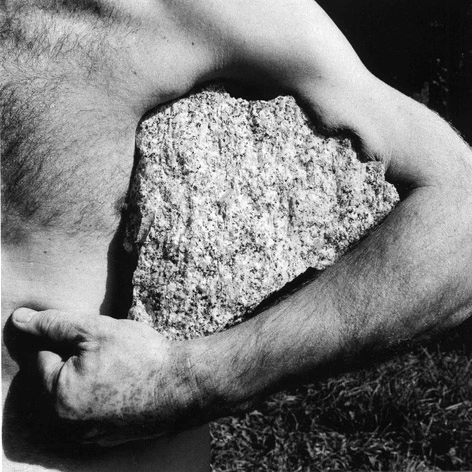
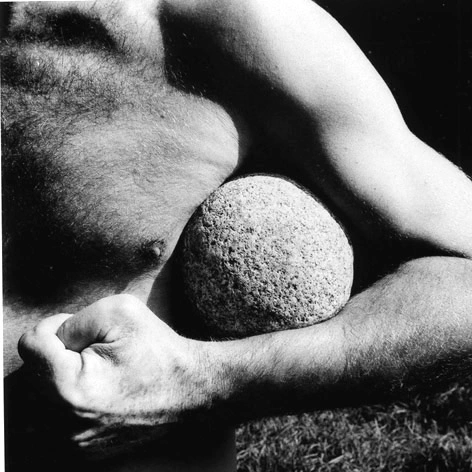
The neuro-optical space presents the world visible within the reach of the ‘artist’s outstretched hand’. Images produced by an optical lens, shown against a backdrop of water or clouds, etc., were subjected to our empirical judgement, and in particular to our sense of perception. The Elements was a development of this theme, with a more philosophical tone by design. An artistic reckoning with the work produced since the time of Complementary Images (1982) was the series Lying Down (1999), in which the artist ‘reconciled’ himself with nature, ‘understood’ it, and even attempted to identify with it.
Later Installations: A Continuation of Perceptual Experiments
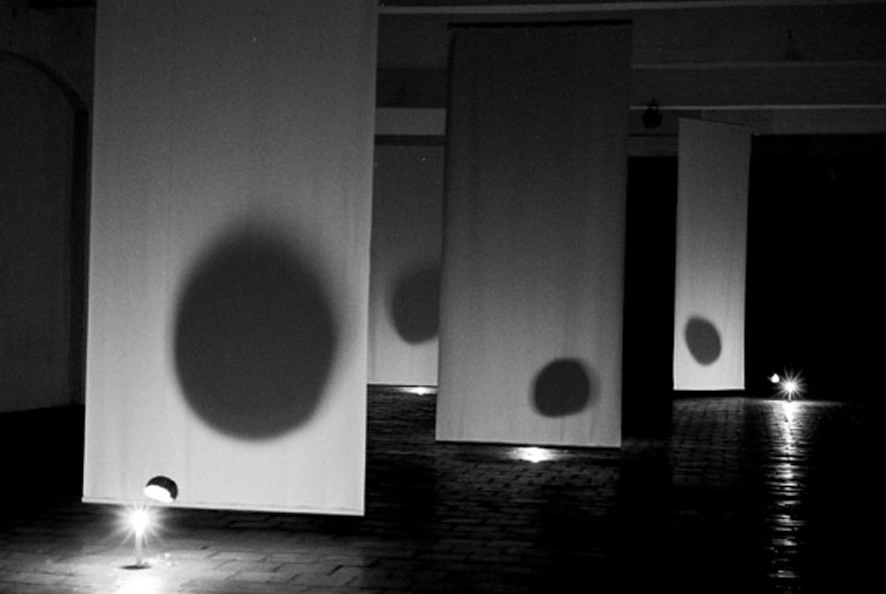
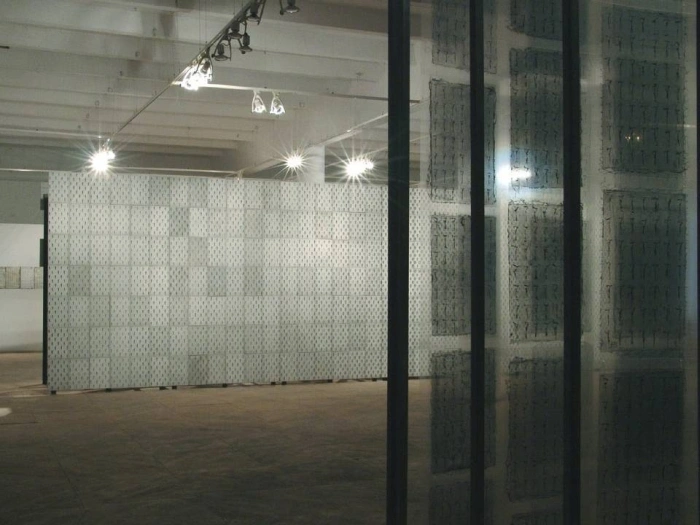
Since the beginning of the 21st century, he has been exhibiting installations (Temporary Objects – 2001, Dynamic Objects – 2003), which summarise his achievements to date, ranging from the Continuity of Infinity in a spatial form that transcends the boundaries of a given medium (primarily photography) to activities aimed at exploring the sense of perception.
Museum Collections: Artistic Heritage
His works are held in the collections of: the National Museum in Wrocław, the Museum of Art in Łódź, the Museum of the History of Photography in Kraków, and the Studio Gallery in Warsaw.
Zygmunt Rytka’s profile and body of work are described in greater detail in his online archive, available here.